Source N-Methyl-2-Pyrrolidone Solvent for Electronics, Pharma, and Polymers
Find 30 listings for N-Methyl-2-Pyrrolidone Solvent suitable for battery manufacturing, pharmaceutical synthesis, and polymer processing. Compare specifications including purity levels, packaging options, and origin details to identify the right supplier for your industrial needs; compare the available evidence and request quotations based on your requirements.
Key considerations
Products List




Comprehensive Sourcing Guide
N-Methyl-2-Pyrrolidone Solvent Sourcing Guide
Buyers must first distinguish between the various chemical classifications observed in listings, as the core keyword often masks distinct product grades. The supply chain presents items labeled as both acidic and alkaline reagents alongside those defined strictly as amphiprotic or inert solvents. This variation suggests that a single search term aggregates different formulations, requiring the procurement team to verify the specific chemical behavior required for their manufacturing process before initiating contact.
The physical state of the product is consistently observed as a colorless and clear liquid, yet the odor profile varies from slight amine notes to descriptions implying high purity. Sourcing decisions should prioritize suppliers who explicitly confirm the absence of volatile components if the application demands a non-volatile solvent. Understanding these subtle physical distinctions is critical, as the wrong classification can lead to compatibility issues in bonding, dilution, or buffer applications where the solvent's specific interaction with other reagents is paramount.
Product Scope and Observed Listing Signals
The observed market signals indicate a wide range of purity levels, with listings specifying grades from 99% up to 99.9% and even 99.5%. Procurement teams must scrutinize these purity claims against their specific process requirements, as the difference between 99% and 99.9% can significantly impact the final product quality in pharmaceutical or industrial applications. The presence of multiple model numbers, such as GN-NMP or generic chemical designations, further complicates the scope, necessitating a clear definition of the exact grade needed to avoid receiving substandard material.
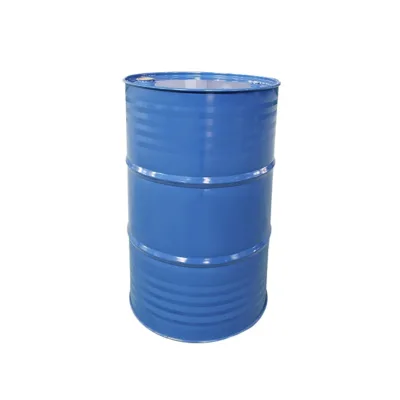
Packaging standards also vary significantly across the observed listings, ranging from galvanized iron drums to standard drums and specific 25kg or 200kg configurations. Buyers should verify that the packaging material is compatible with the chemical properties of the solvent to prevent contamination or leakage during transit. The observation of moisture content limits, such as less than or equal to 0.02wt%, serves as a critical signal for quality; suppliers offering higher moisture levels may require additional drying steps, adding hidden costs and complexity to the procurement workflow.
Technical Specifications to Verify
Critical thermal properties must be validated against the specific operational limits of the buyer's equipment, as observed flash points range from 86°C to 95°C. This variance directly influences storage safety protocols and handling procedures within the facility. A buyer must confirm the exact flash point of the specific batch to ensure compliance with local fire safety regulations and to determine the appropriate storage temperature range, preventing potential hazards during high-temperature processing or transport.
The boiling and melting points provide essential data for process design, with observed values indicating a melting point around -24°C and a boiling point near 346°C. These parameters dictate the solvent's behavior during distillation or crystallization steps. Procurement teams should verify that the supplier's technical data sheet aligns with these thermal characteristics, as deviations could indicate impurities or a different chemical composition entirely. Additionally, the molecular weight of approximately 99.134 should be confirmed to ensure stoichiometric accuracy in chemical reactions where the solvent acts as a reagent.
Compliance and Safety Documentation
Safety data sheets are mandatory for all transactions, particularly given the observed upper explosive limit of 9.5 Vol % and the specific odor profiles. Buyers must ensure that the documentation explicitly details the flammability risks and the necessary ventilation requirements to mitigate exposure to the slight amine odor. Without comprehensive safety data, the risk of non-compliance with occupational health standards increases, potentially leading to regulatory fines or workplace safety incidents during the handling and storage of the solvent.
Regulatory compliance extends to the grade standard, with listings citing medicine grade, industrial grade, and general chemical reagent standards. Procurement teams must verify that the product meets the specific regulatory framework required for their end-use, whether it be pharmaceutical manufacturing or general industrial application. The presence of a "Medicine Grade" designation implies stricter quality controls and testing protocols. Buyers should request certificates of analysis that confirm the product meets the stated grade standard to avoid legal liabilities associated with using non-compliant materials in regulated industries.
Cost Drivers and Commercial Terms
The price range observed in the market spans from 1 to 9000 USD, a disparity that likely reflects differences in purity, packaging volume, and supplier location. Buyers must analyze the unit cost relative to the specified purity and grade to determine the true value proposition. A lower price point may correlate with lower purity or larger bulk packaging that requires significant on-site handling infrastructure, whereas higher prices may reflect premium grades suitable for sensitive pharmaceutical applications.
Minimum order quantities and lead times are significant commercial variables, with observed MOQs ranging from 1 to 1000 units. High-volume buyers should negotiate based on the 200kg drum standard to optimize logistics costs, while smaller operations must account for the potential premium associated with smaller batch sizes. The origin of the product, noted as China, Shanghai, or Shandong, also influences shipping costs and lead times. Buyers should factor in these logistical variables when calculating the total landed cost to ensure the procurement strategy remains financially viable.
Supplier Qualification and Quality Control
Supplier qualification requires a rigorous review of their production standards, as observed specifications include custom requests and standard 200kg drum configurations. Buyers should verify that the supplier has a documented quality management system capable of maintaining the strict purity levels observed, such as 99.9% or 99.5%. The ability to provide customized solutions is a positive indicator, but it must be balanced against the supplier's capacity to maintain consistency across different batches without compromising the chemical integrity of the solvent.
Quality control protocols must be explicitly defined in the purchase agreement, focusing on the verification of key attributes like pH, moisture content, and flash point. The observed pH range of 7.5 to 10 and moisture limits of 0.02wt% serve as benchmarks for acceptance criteria. Buyers should insist on pre-shipment testing reports that confirm these parameters before the goods leave the facility. This proactive approach ensures that the received material meets the technical specifications required for the intended application, reducing the risk of production delays or product rejection.
Long-Term Procurement Checks
Establishing a long-term relationship with a supplier requires monitoring the consistency of the product's shelf life, which is observed to be one year. Buyers must implement a rotation system to ensure that inventory is used within this timeframe to maintain chemical stability and efficacy. Regular audits of the supplier's storage conditions are necessary to confirm that the product has been kept in environments that preserve its quality, preventing degradation that could occur if the solvent is exposed to improper temperatures or humidity.
Continuous performance monitoring is essential to validate that the solvent continues to meet the application requirements over time. Buyers should track the performance of the solvent in their specific processes, noting any deviations in bonding strength, dissolution rates, or buffer efficiency. If performance issues arise, a root cause analysis should be conducted to determine if the issue stems from the solvent quality or the supplier's handling procedures. This ongoing diligence ensures that the procurement strategy remains robust and adaptable to changing market conditions or process requirements.
FAQs
How is N-Methyl-2-Pyrrolidone Solvent typically packaged for bulk orders?
Bulk N-Methyl-2-Pyrrolidone Solvent is commonly supplied in 200 kg galvanized iron drums, though some listings offer 25 kg drums or standard packing adjusted to customer requirements. Because the product is a liquid with a shelf life of about one year, buyers should confirm drum material, sealing, and storage conditions with the supplier before placing large orders.
What purity levels are available for N-Methyl-2-Pyrrolidone Solvent?
Listings commonly show purity of 99.9%, 99.8%, or at least 99.5%, with some suppliers offering pharma grade and industrial grade variants. Buyers should match the grade to the end application, since pharmaceutical uses demand tighter impurity controls, and request a certificate of analysis confirming the stated purity before shipment.
Can suppliers customize N-Methyl-2-Pyrrolidone Solvent orders?
Yes, customization is generally available, and several listings explicitly state that customized orders are supported. Customization may cover packing format, drum size, purity specification, and labeling, and one listing notes standards are set according to customer request. Confirm the customized scope, minimum order quantity, and lead time directly with the supplier before ordering.
What are the key physical properties of N-Methyl-2-Pyrrolidone Solvent?
N methyl 2 pyrrolidone is a colorless, clear liquid with a slight amine odor, melting point around -24°C, boiling point about 346°C, and a flash point reported between 86°C and 95°C depending on the listing. It is described as an amphiprotic, inert, non-volatile solvent with pH typically in the 7.5 to 10 range.
Which applications use N-Methyl-2-Pyrrolidone Solvent?
The main application is as a solvent, with listed usages including bonding, dissolution, dilution, and buffering in medium-duty processes. Pharma grade and industrial grade variants serve different end markets, so buyers should select the grade matching their application and verify composition, volatility, and moisture content specifications with the supplier.
What moisture and volatility limits apply to N-Methyl-2-Pyrrolidone Solvent?
One listing specifies moisture at or below 0.02 wt% and describes the product as not volatile, which matters for electronics or pharmaceutical processes sensitive to water contamination. Since not every listing publishes these figures, buyers should request the exact moisture and volatility data for the specific grade being quoted.
How should buyers verify N-Methyl-2-Pyrrolidone Solvent quality before purchase?
Request a certificate of analysis showing purity, moisture content, and pH, since listed grades range from 99.5% to 99.9% purity. Ask whether the material is pharma grade or industrial grade, confirm the packing format such as 200 kg drums, and clarify shelf life, reported as one year, so storage and usage plans fit the delivery schedule.